
Maintaining strong cyber security is vital for all UK businesses. Cybercrime is reported to cost the UK economy around £27bn annually and a report released by the government last June showed around 43 per cent of businesses had experienced some form of cyber security incident in the previous 12 months - around 612,000 UK businesses in total.
On the flip side, having strong cyber security is an important part of sustainable business growth. It can help companies adopt new technology successfully, as well as opening the door to new customers and markets.
Our latest instalment of the regular Lancashire Support Spotlight highlights the ways that strong cyber security can help unlock growth and where businesses in Lancashire can go to receive support.
Why is cyber security essential for growing businesses?
As a business grows, so does its digital footprint – and therefore its exposure to cyber threats. Strong cyber security helps mitigate these risks while creating a stable platform for innovation and expansion.
Here are five key ways strong cyber security facilitates business growth:
1. Building trust with customers and partners
Customers and partners want to know that their data is being handled responsibly and that systems are secure. Demonstrating strong cyber security practices, such as secure data handling, clear policies and recognised standards, helps to build that confidence.
In competitive markets, cyber security can be a key differentiator that sets a business apart and highly regarded credentials, such as the government’s Cyber Essentials accreditation, are brilliant evidence of this.
2. Unlocking new market opportunities
Many sectors now expect or require businesses to meet specific cyber security standards. Certifications such as Cyber Essentials are often necessary when working with government bodies or larger organisations.
By putting the right controls in place, businesses can reduce their cyber security risks, while also attaining accreditations which open new doors to new customers and markets.
3. Reducing disruption and financial loss
Cyber incidents often have immediate and costly consequences. For growing businesses, even a short disruption can have a disproportionate impact.
Strong cyber security reduces the likelihood and severity of these incidents. By identifying vulnerabilities early and putting measures in place to mitigate risks, businesses can maintain continuity and avoid the costs associated with recovery, allowing leadership teams to focus on and invest in growth.
4. Enabling innovation and digital transformation
Adopting new technologies such as cloud-based systems, automation and AI can improve productivity or reduce costs. However, these technologies can also increase cyber risks. Having strong cyber security measures from the outset means businesses can implement new technologies faster and more effectively.
5. Strengthening long-term resilience and decision-making
Regular risk assessments, monitoring and reporting can provide valuable visibility into where a business may be vulnerable and where cyber security improvements are needed.
This insight supports better decision-making at a strategic level. Business leaders can prioritise investments, allocate resource effectively and plan for growth with a clear understanding of risk.
There is a range of services and programmes available to Lancashire businesses to help them test and improve their cyber security measures. You can find out more on Boost’s Support Directory.
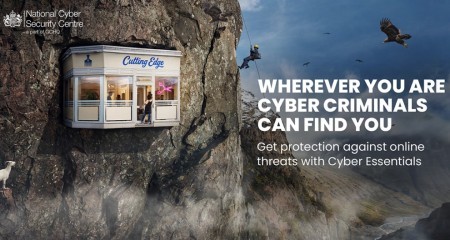
Boost is supporting the government’s cyber security campaign
Boost is backing the government’s campaign to help protect businesses across the UK from cyber threats with Cyber Essentials. The Cyber Essentials website gives businesses access to a range of free resources to help instantly improve their cyber security, including:
Find out more about the campaign on the Boost website here.




The website uses cookies.
Some are used for statistical purposes and others are set up by third party services. By clicking 'Accept all & close', you accept the use of cookies. For more information on how we use and manage cookies, please read our Cookie Policy.