Lancashire has all the ingredients to be among the best places in the country to start and scale an innovative business, but further honing the county’s ecosystem will be vital to maximising the potential.
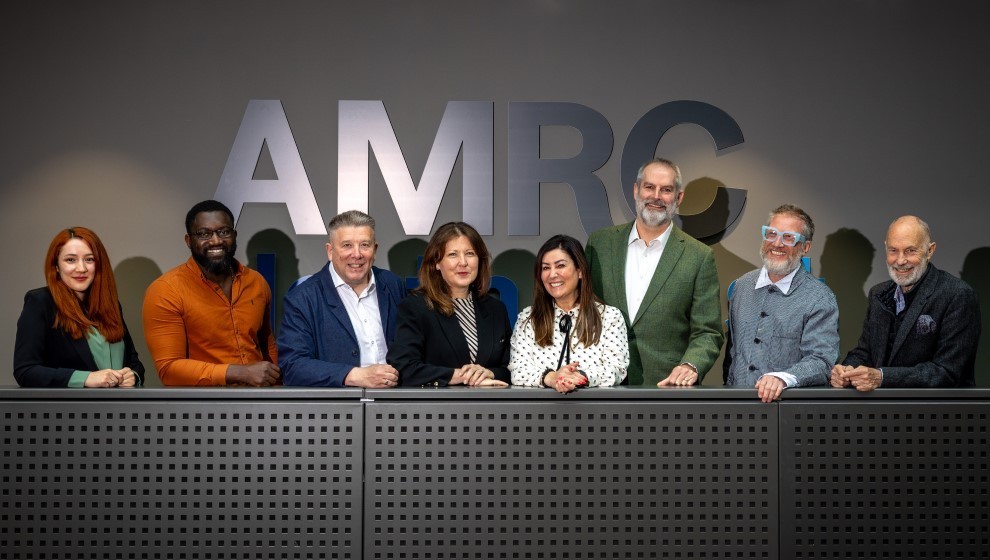
This was one of the key takeaways from Boost’s latest roundtable, which gathered a range of business leaders and experts from across the Lancashire economy at AMRC North West in Samlesbury. The discussion covered topics including what innovation is, how it drives business growth, creating an innovative culture and how the county supports innovators to grow and thrive.
A recurring theme was that Lancashire already has a thriving innovation ecosystem and the building blocks needed to challenge the likes of the Golden Triangle (London, Oxford and Cambridge). These include resilient and innovative entrepreneurs, ambitious companies, four nationally-regarded universities, and a strong business support network.
Participants agreed that the priority now is to turn Lancashire’s innovation strengths into greater economic impact by helping more businesses scale, strengthening links between companies, unlocking private investment and celebrating success stories more visibly.
Scaling innovation
Richard Stephenson, CEO of Clitheroe-based cyber security software company YUDU, said: “Within Lancashire, there are plenty of brilliant ideas and innovation is happening. The challenge everywhere, including Lancashire, is how you scale up.
“If we can solve that problem by focusing on scaleup capability, providing the very best environment possible to scale, the county could be amazingly successful.”
The discussion highlighted key approaches to this and Professor Simon Bolton, chair of innovation at Edge Hill University (EHU), spoke about the importance of providing tailored support to the management teams of innovative companies to make long-term business decisions.
“Many businesses reach a point in their growth where they have a market and legacy customers, but some of those customers are not profitable,” he said. “For innovative businesses to grow, it is about understanding where the value lies. If you release that time, you can focus on the activities that drive further value and growth.”
He also said that external investors wanted to see scaleup potential from businesses, so supporting scaleup potential in Lancashire could unlock further private sector investment in the county’s innovative businesses.
Robert Holbrook is director of science and technology at Morecambe-based sustainable cleaning and waste remediation manufacturer, Thrive, and also a board member of Innovate Lancashire. He shared his own experiences of the difference between innovative products and a strong, scalable business model.
“One of the hardest lessons for me was learning that the product is not the business. Just because you can solve a problem does not mean you have a sustainable entity that will generate revenue and resonate with what people want.
“We borrowed a defence-tech model of launching products that were not fully ready for market and using feedback to develop them. Being open that it was an R&D process built trust rather than eroding it. When the product launched, customers felt they had helped build it. That creates loyalty and stickiness.”
The Lancashire advantage
A key point of discussion was Lancashire’s key strengths, including the willingness of businesses to share knowledge and support each other’s growth.
Jane Stuart-Puttnam, director of strategic partnerships at Stuart Energy, said: “For us, innovation was about improving processes, and for me it was also about getting out and expanding my network. There is a real willingness to share in Lancashire. People are open to discussing things, and it helps businesses learn from each other. That is one of the reasons Lancashire is a strong place to innovate.”
Trudi Waldram, innovation engagement manager, Lancashire County Council, underlined the strength of Lancashire’s ecosystem and said ensuring all businesses were connected to this was key.
“Businesses cannot innovate in isolation,” she said. “They need to be connected to clients, partners, universities, support organisations and, in some cases, even competitors. That is a real strength for Lancashire because the ecosystem already exists here. The next step is making sure every business knows how to access it and use it to turn ideas into real-world solutions.”
For Rory Cameron, non-executive director at Health Innovation North West Coast, a key part of further developing the county’s innovation ecosystem is honing routes to market for new products being developed in Lancashire, by facilitating discussions between innovators and larger corporates.
He said: “Larger companies coming in and talking about their problems is key. Small startups can be fearful of big companies, but large firms are often less agile, which means it is harder to innovate. Bringing them together can help open doors for smaller businesses by giving them opportunities.”
Grasping the opportunity
Rory also spoke about the growing opportunities in the region for innovative companies, and that it was the responsibility of the whole Lancashire economy to harness these.
“In the North West, things are changing,” he added. “There are more venture capital opportunities for university spinouts than five years ago, but it still needs to be deployed and proven. I think it is also the responsibility of the business to demonstrate why Lancashire is the right place to invest and build.
“You cannot wait for someone else to do that. You make the success, then shout about the story and create a name for the next generation.”
Gizem Acar Tekin is founder and CEO at Photarix, a Lancaster University spinout developing quantum-secure photonic hardware for communication networks. She underlined the strong ecosystem in Lancashire and the need to communicate this across the UK to bring more businesses, innovation and funding into the county.
“We have four amazing universities. I speak to other spinout companies and they often complain about their local university support, especially around IP and the spinout processes,” Gizem said. “Lancaster University supports that process well and directs you to opportunities.”
“However, we need to highlight the Lancashire name. When people hear Cambridge or Oxford, they already have a picture in their mind. They believe new things can be fabricated there because they know the universities, factories and companies. We need to highlight what exists here, especially for startups.”
The theme of developing Lancashire’s innovation ecosystem will be explored further at Lancashire Innovation, Finance and Tech Festival (LIFT) 2026, taking place on June 11 in Burnley.
The full-day event will bring together businesses, innovators, investors and support organisations to explore funding, technology and growth opportunities and shape Lancashire’s next chapter as a leading place to scale through innovation.
Find out more and secure tickets for the event here.
To find out more about the innovation support currently available to Lancashire businesses, visit the Cyber, Digital and Innovation area of the Support Directory on the Boost website.




The website uses cookies.
Some are used for statistical purposes and others are set up by third party services. By clicking 'Accept all & close', you accept the use of cookies. For more information on how we use and manage cookies, please read our Cookie Policy.